EN
Search
RSS

Blog posts tagged with 'cappadocia'

CAPPADOCIA WILL BE DRESSED IN A WEDDING DRESS
KAPADOKYA GELİNLİĞE BÜRÜNECEK Kışları soğuk ve yazları sıcak olan Kapadokya her mevsimi güzelliği ile dikkat çekiyor. Düğününe hazırlanan bir genç kız gibi düğün hazırlıları devam ediyor. Son bahar da kuruyan bitkiler yapraklarını dökerken beyaz gelinliğini giğinmeye hazırlanan ve son hazırlıklarını yapan gelin edası ile kışa kendini Kapadokya hazırlıyor.
The Cappadocia region
The Cappadocia region is the place where nature and history merge most beautifully in the world. While geographical events shaped the fairy chimneys, throughout history, people carved houses and churches into these fairy chimneys and decorated them with frescoes, carrying the traces of millennia-old civilizations to the present day. During the reign of Roman Emperor Augustus, Strabo, an ancient writer, in his 17-book book "Geography" (Anatolia XII, XIII, XIV), describes the borders of the Cappadocia Region as a vast region extending from the Taurus Mountains in the south, Aksaray in the west, Malatya in the east, and the Eastern Black Sea coast in the north. Today's Cappadocia Region encompasses the provinces of Nevşehir, Aksaray, Niğde, Kayseri, and Kırşehir. The narrower, rocky Cappadocia Region encompasses Uçhisar, Ürgüp, Avanos, Göreme, Derinkuyu, Kaymaklı, Ihlara, and their surrounding areas. Traditional Cappadocian houses and dovecotes carved into the rocks express the region's unique character. These houses were built into the hillsides in the 19th century from either rock or cut stone. Stone, the region's only architectural material, is soft after being quarried due to the region's volcanic structure, making it very easy to work with. However, it hardens upon exposure to air, becoming a very durable building material. Due to the abundance of available materials and their ease of workability, the stonemasonry unique to the region developed and became an architectural tradition. Both courtyard and house doors are made of wood. The upper parts of the arched doors are adorned with stylized ivy or rosette motifs. The dovecotes in the region are small structures built in the late 19th and 18th centuries. Some of the dovecotes, important for demonstrating Islamic painting, were built as monasteries or churches. The surfaces of the dovecotes are richly decorated with ornamentation and inscriptions by local artists.
THE ONE NOT EVERYONE KNOWS ABOUT, DO WHAT EVERYONE ELSE DOES IN CAPPADOCIA

THE ONE NOT EVERYONE KNOWS ABOUT, DO WHAT EVERYONE ELSE DOES IN CAPPADOCIA Everyone comes to Cappadocia, but not everyone gets to experience it. Tourism has its own set of rules, specific tour destinations, and routes. Breaking away from these rules will allow you to experience the real Cappadocia. Let us encourage you, as a Cappadocian resident, to do what everyone else doesn't. Let me tell you what you haven't done here. Haven't you fished along the Kızılırmak valley in Galip? Haven't you woken up at 5 a.m. to hike through the valleys in the Gomeda Valley and many others, brewed tea for breakfast, and dipped bread in pottery cheese? Haven't you eaten black grapes straight from the vineyard during the grape harvest? Haven't you tried a single bland piece of hot bread with cheese made by the locals in Kaymaklı?
Haven't you tried the fresh tomato

Have you ever eaten sugar beets cooked by burying them in a fire?

Have you searched for gemstones in the Kızılırmak Valley?
Have you worked in a vineyard and bought organic onion wraps?
Have you attended a local wedding and danced the three-legged halay?
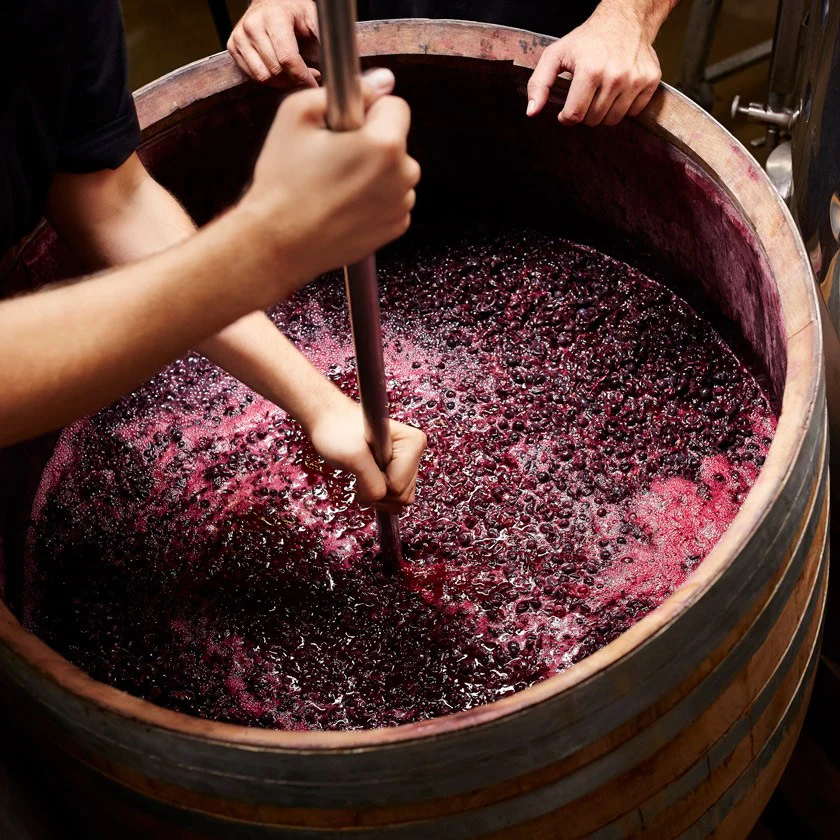
Have you made molasses at the grape harvest?
Have you eaten pumpkin molasses?
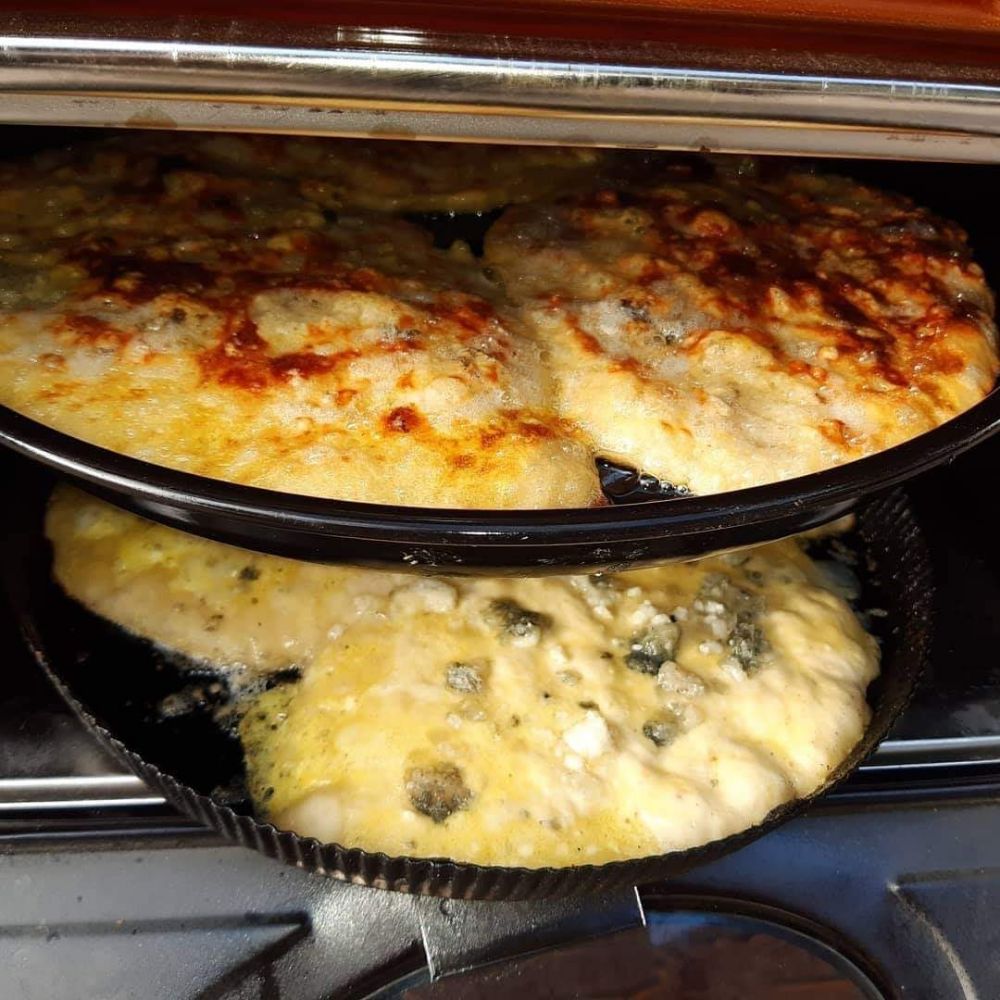
Have you ordered tava from the local butchers and dipped bread into the Nevşehir tava and eaten it?
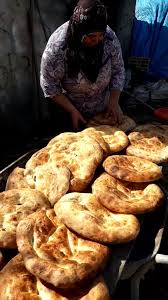
Have you bought fresh bread from the Nevşehir pide bakeries and eaten it?
Have you gone to the Nevşehir public markets and bought natural, organic farmer's products?
Have you traveled the valleys and fields to research the endemic plants of Cappadocia?
Have you drank 'kurma' wine in Hacıbektaş?
Have you bought and eaten raw pumpkin seeds?
Have you tried the Nevşehir kombesi?
Have you attended a saz performance at a vineyard?
Didn't you make tea and simit at the balloon takeoff site?
Didn't you snowslide in the valley?
Didn't you enter a dilapidated Greek, Turkish, or Arab house and contemplate the smell of the old house and the years of its life?
Didn't you climb onto the roof of an old house and hum the folk song "Yellow Flowers on the Roof"?
Didn't you collect handkerchiefs and use them as amulets for yourselves?
Didn't you hang a letter from an apricot tree as a letter to your loved one?
Didn't you ride a donkey to the vineyard and pick grapes?

Didn't you drink a pot of black tea brewed by the local shepherd

Didn't you sit next to an old lady and listen to her stories?

Didn't you eat dried apples?Didn't you spread grapes?

Didn't you make Nevşehir spicy sauce?
Didn't you step into a cheese pot?
Didn't you dry meat?
Didn't you borrow wool socks from the locals?
If you haven't done these, you haven't come to Cappadocia, you haven't experienced Cappadocia ......................................................................

NAR CAVE HOUSE 
FAZLI KOÇ
NEIGHBORHOOD LAW IN APPADOCIA
Neighborhood law is of great importance in the social and cultural life of Cappadocia. The neighbor is almost like a member of the family. In the social and cultural life of Cappadocia, there is also a saying that the neighbor needs the ashes of his neighbor. This saying is so important that people always struggle to help each other in illness, weddings and funerals. Hacı Aziz Başar, the neighbor of our hotel
OCTOBER IN CAPPADOCIA
At the beginning of winter and at the end of summer in Cappadocia, while people continue their winter preparations, a riot of colors begins in nature. While nature was giving less daytime temperatures from the summer, yellowing and drying leaves began to appear in the fairy chimneys.
WOULD YOU LİKE TO DO A YOGA WİTH NAR CAVE HOUSE?
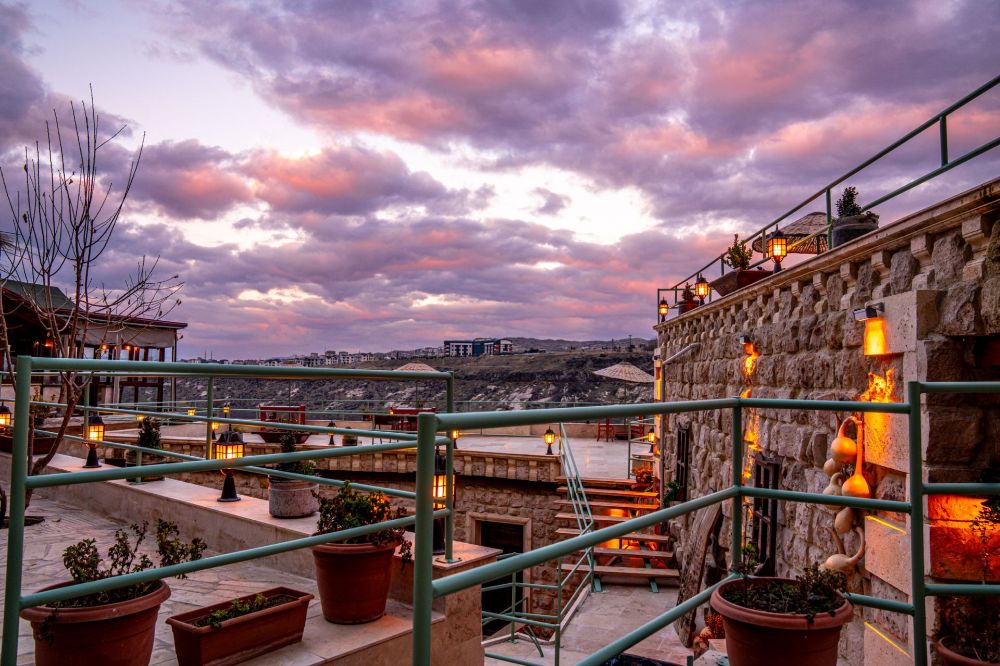
How about doing yoga among the beauties of Cappadocia with Nar Cave House? With its unique location in Cappadocia and its natural beauties, Nar Cave House also offers space for yoga groups. Nar Cave House offers space for yoga lovers with its three outdoor terraces, each approximately 140 square meters
Türkeı, das Land der zahlreıchen Eındrücke.
Belief in the evil eye
CAPPADOCİA

Explore the world with a new imagination of our hot air balloon
Come have the experience of a life time this fall 
We are ready for you..
make sure you don’t miss out.
Be the friend who always makes the best plans. Sign up now to be the first to have a wonderful tavan sand rides and horse rides 
 We are beyond excited to have you at our hotel

Trust us, we’re a better date idea than anything at NAR CAVE HOTEL

history of Nar City

history of nar city
When looking at historical ruins such as churches and cemeteries, it can be seen that the history of Nar Town dates back to the first Christians escaping from the Middle East. Nar Town and its previous settlement, Nyssa, have lived under Roman, Byzantine, Danişment, Seljuk and Ottoman rule until today. The name pomegranate is first seen in the records when the Seljuk State defeated the Danişmends in 1157 and completely conquered Cappadocia.[1] The Seljuks came to Cappadocia in 1067 and it took approximately 100 years for them to dominate the region. Before the Seljuks, most of the population and settlements in the Cappadocia Region lived during the Crusades and the 11th century. It was destroyed in the wars between the Turkish Principalities in .

After the conquest, the Seljuk State established new village
After the conquest, the Seljuk State established new village settlements in this region as a requirement of its Islamization and Turkification Policy. Göre, Nar, Muşkara are some of the new settlements established in this region.[2] It is known that Nar's settlement was built on the city of Nisa (Nyssa). The city of Nisa (Nyssa), the pre-Seljuk settlement of Nar, was a Byzantine city and was located somewhere between today's Nevşehir and Nar. Nyssa was completely destroyed in the war between the Danishmends and the Seljuks in 1157.

There are two explanations for the name of the town of Nar. Firstly, it is said to come from the Greek words Nero, Nora, Neroassos, meaning "wet place". The second is that it is derived from the Arabic word Ennar, which means fire and hell. These two comments actually describe two separate historical realities of the town of Nar.

Nar Town is a village that was founded in the 11th century under the rule of the Turks after the Byzantine Empire, with a predominantly Christian population and where nomadic Turks also settled. When we look at the Land Registry Book of 1584, the fact that 34 of the 49 people registered to pay taxes to the state have Christian names supports this fact. In addition, the fact that Nar is the only wetland among the surrounding villages is another finding that the name Nar derives from the Greek word for wetland.

The name Ennar is a sign of the increasing Muslim population in Cappadocia in the 18th century. The fact that Nar people say that the word Nar comes from Arabic indicates the period after Damat İbrahim Pasha's Nomadic Muslims Settlement Policy towards the region.
settlements in this region as a requirement of its Islamization and Turkification Policy. Göre, Nar, Muşkara are some of the new settlements established in this region.[2] It is known that Nar's settlement was built on the city of Nisa (Nyssa).[3] The city of Nisa (Nyssa), the pre-Seljuk settlement of Nar, was a Byzantine city and was located somewhere between today's Nevşehir and Nar. Nyssa was completely destroyed in the war between the Danishmends and Seljuks in 1157.