THE ONE NOT EVERYONE KNOWS ABOUT, DO WHAT EVERYONE ELSE DOES IN CAPPADOCIA
Everyone comes to Cappadocia, but not everyone gets to experience it. Tourism has its own set of rules, specific tour destinations, and routes. Breaking away from these rules will allow you to experience the real Cappadocia.
Let us encourage you, as a Cappadocian resident, to do what everyone else doesn't. Let me tell you what you haven't done here.
Haven't you fished along the Kızılırmak valley in Galip?
Haven't you woken up at 5 a.m. to hike through the valleys in the Gomeda Valley and many others, brewed tea for breakfast, and dipped bread in pottery cheese?
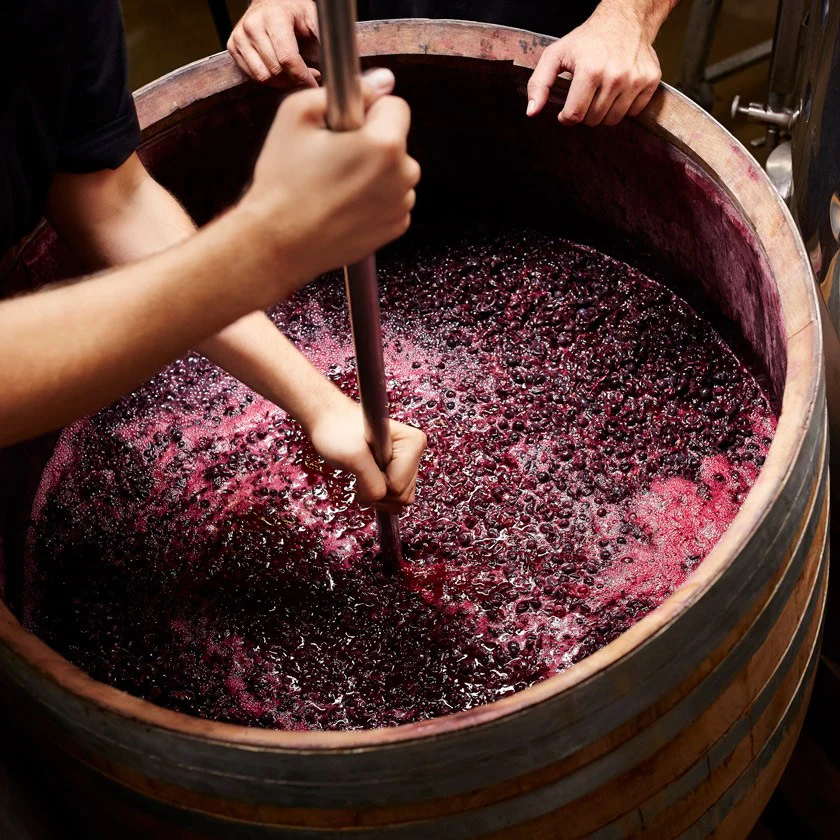
Haven't you eaten black grapes straight from the vineyard during the grape harvest?
Haven't you tried a single bland piece of hot bread with cheese made by the locals in Kaymaklı?
 Haven't you tried the fresh tomato
Have you ever eaten sugar beets cooked by burying them in a fire?
Have you searched for gemstones in the Kızılırmak Valley?
Have you worked in a vineyard and bought organic onion wraps?
Have you attended a local wedding and danced the three-legged halay?
Have you made molasses at the grape harvest?
Have you eaten pumpkin molasses?
Have you ordered tava from the local butchers and dipped bread into the Nevşehir tava and eaten it?
Have you bought fresh bread from the Nevşehir pide bakeries and eaten it?
Have you gone to the Nevşehir public markets and bought natural, organic farmer's products?
Have you traveled the valleys and fields to research the endemic plants of Cappadocia?
Have you drank 'kurma' wine in Hacıbektaş?
Have you bought and eaten raw pumpkin seeds?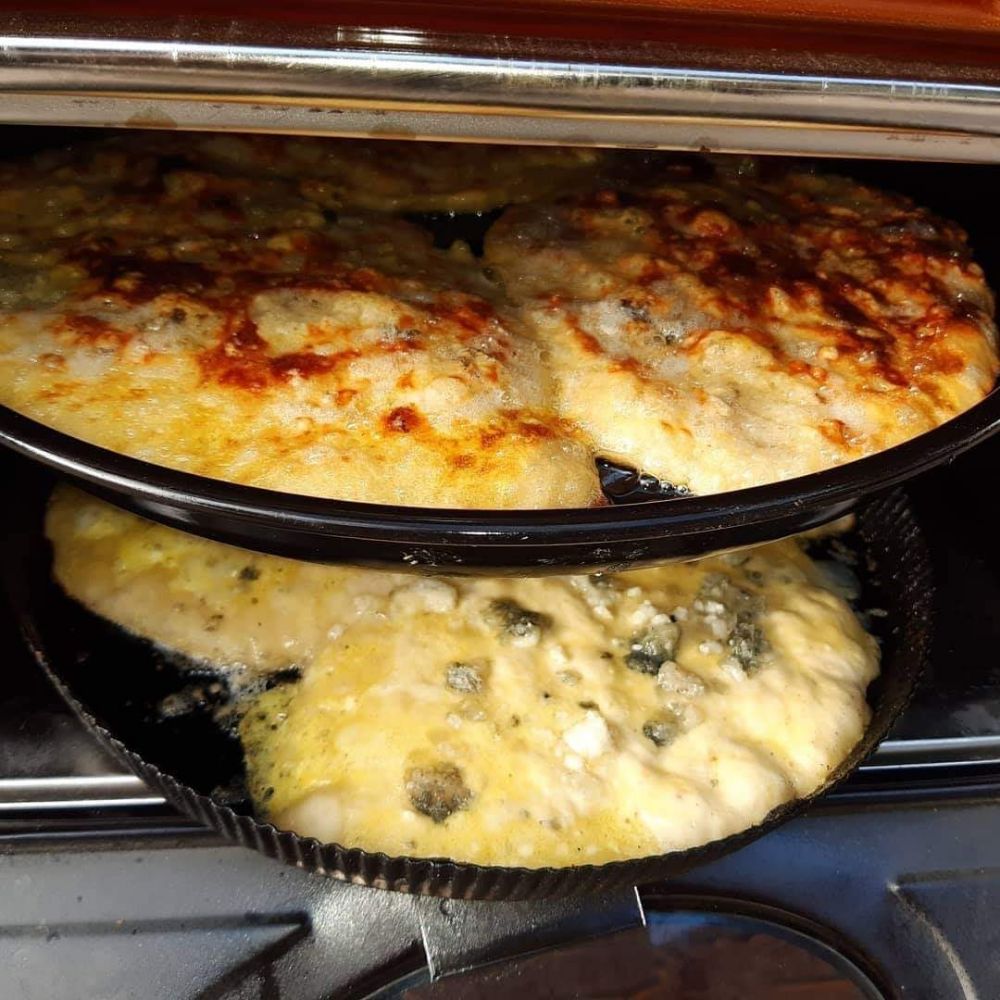
Have you tried the Nevşehir kombesi?
Have you attended a saz performance at a vineyard?
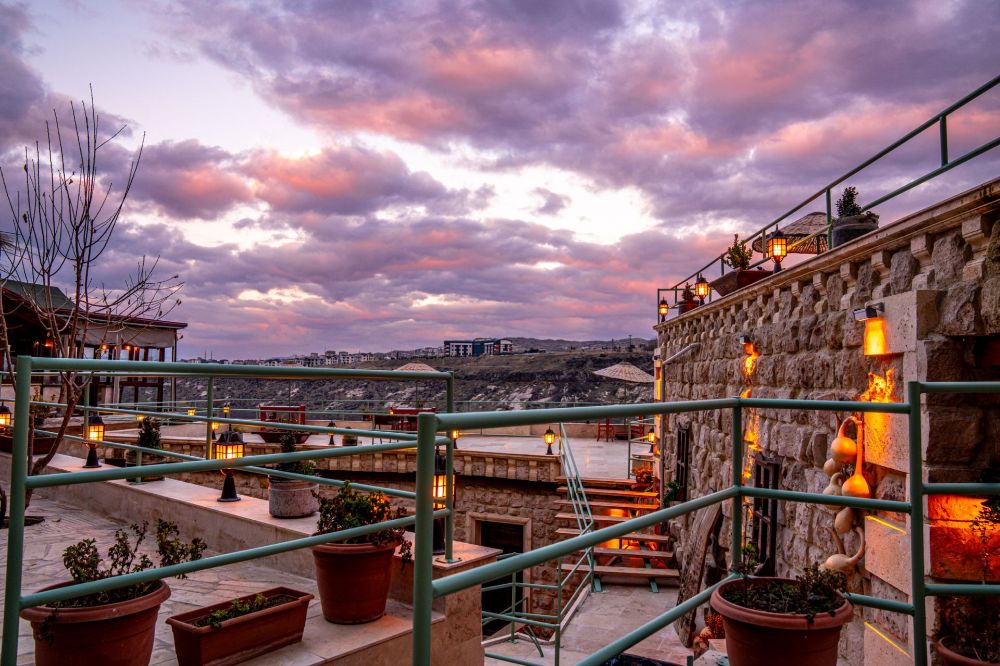
Didn't you make tea and simit at the balloon takeoff site?
Didn't you snowslide in the valley?
Didn't you enter a dilapidated Greek, Turkish, or Arab house and contemplate the smell of the old house and the years of its life?
Didn't you climb onto the roof of an old house and hum the folk song "Yellow Flowers on the Roof"?
Didn't you collect handkerchiefs and use them as amulets for yourselves?
Didn't you hang a letter from an apricot tree as a letter to your loved one?
Didn't you ride a donkey to the vineyard and pick grapes?

Didn't you drink a pot of black tea brewed by the local shepherd
Didn't you sit next to an old lady and listen to her stories?
Didn't you eat dried apples?Didn't you spread grapes?
Didn't you make Nevşehir spicy sauce?
Didn't you step into a cheese pot?
Didn't you dry meat?
Didn't you borrow wool socks from the locals?
If you haven't done these, you haven't come to Cappadocia, you haven't experienced Cappadocia ......................................................................
NAR CAVE HOUSE
FAZLI KOÇ